Does Roadside Assistance Cover Towing In Australia?
Does roadside assistance cover towing? It’s a question many drivers assume they already know the answer to — until they’re stranded on the side of the road and discover their policy has limits they didn’t know existed. Most roadside assistance plans do include some form of towing, but the conditions, distance caps and exclusions vary significantly between providers and membership tiers.
For drivers around Dubbo, where the nearest town can be 50 kilometres away and mobile coverage on rural roads is patchy, understanding what your policy actually covers is practical preparation, not just fine print.
What Roadside Assistance Typically Covers
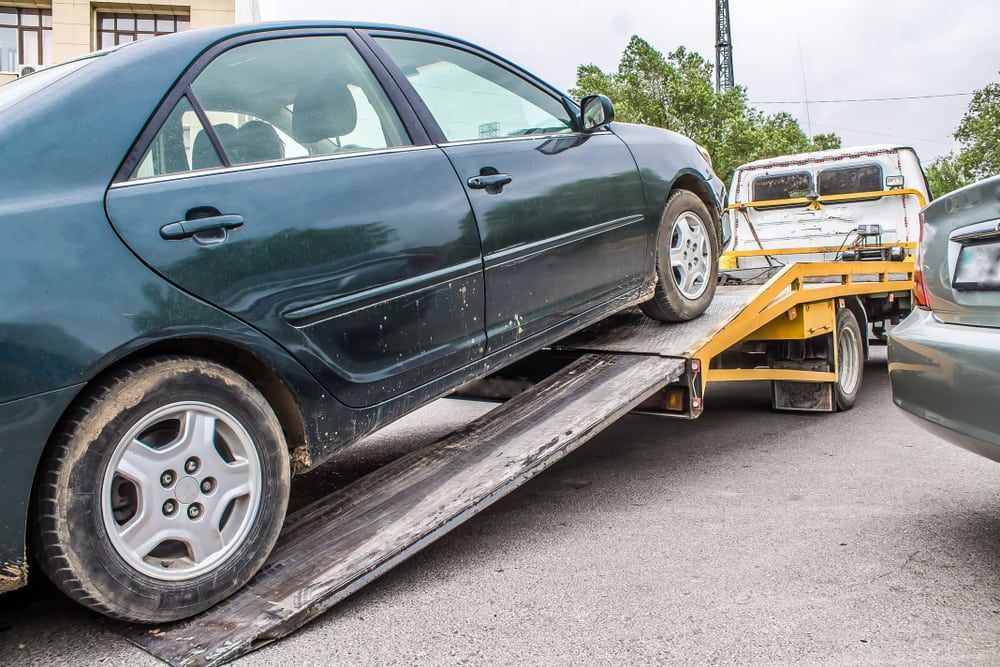
Most roadside assistance memberships are structured to get you moving at the roadside rather than transport your vehicle long distances. Core services typically include battery jump starts, tyre changes, fuel delivery, minor on-road repairs, and a tow to the nearest mechanic if the vehicle cannot be made driveable on the spot.
What counts as 'nearest' is determined by the policy, not the driver. If the closest available workshop is a small country garage 20 kilometres away, that's where the tow goes. Transporting the vehicle to a specific repairer in a larger town generally falls outside the standard policy.
Common Limitations on Towing Under Roadside Assistance
The details of roadside assistance towing coverage vary significantly between providers and membership tiers. Common limitations drivers encounter include:
- Distance caps: many basic policies include towing only up to a defined distance, often 10 to 30 kilometres. If the nearest suitable facility is further than the cap, the member may be required to pay for the additional distance
- Destination restrictions: the tow is typically to the nearest repairer, not a preferred or nominated destination. Having the vehicle transported to a specific workshop — particularly one in a larger town further away — usually requires an upgrade or an additional payment
- Vehicle type exclusions: some policies exclude larger vehicles, modified vehicles, vehicles over a certain weight or age, or certain recreational vehicles. Caravans, trailers and motorcycles may be covered differently or not at all under a standard membership
- Number of call-outs: most memberships cap the number of service call-outs per year. A driver who has already used their annual allowance may find they are not covered when they need it most
Remote and Rural Roads Around Dubbo: Where Coverage Gets Complicated
On the Mitchell and Newell highways and the regional roads connecting Dubbo to surrounding communities, a breakdown can put a driver 60 or more kilometres from the nearest mechanic or tow truck operator.
In these situations, the distance cap may be exceeded by the distance to the nearest facility. The network may not have a provider in the area, meaning the dispatcher is calling around to find a contractor willing to travel. And in areas with poor mobile coverage, reaching the hotline to initiate a call-out can itself be a challenge.
When Does Roadside Assistance Not Cover Towing?
There are specific scenarios where a roadside call-out will not result in a tow at no cost. Understanding them before you need to call is more useful than discovering them on the side of the road.
- The vehicle requires towing to a destination that is not the nearest available repairer, and the policy does not include a preferred destination tow
- The breakdown is on private property, including rural station tracks and private roads, which may not qualify under the policy’s definition of a road
- The vehicle has been in an accident rather than a mechanical breakdown. Post-accident towing is usually handled through the driver’s comprehensive car insurance, not roadside assistance
- The vehicle type is outside the policy coverage, such as a heavy farm vehicle, a vehicle towing a boat or caravan, or a vehicle over the policy’s weight limit
- The driver has no membership, has an expired membership, or has exceeded the annual call-out limit
There are several scenarios where calling a professional directly is the right move regardless of what a roadside policy covers. Our article on the reasons to call a professional towing service in an emergency covers these in more detail.
The Gap Between Roadside Cover and What Regional Drivers Actually Need
For drivers travelling between Dubbo and surrounding communities — Narromine, Wellington, Nyngan, Parkes — the distance component of roadside coverage is the most likely point of failure. A 50-kilometre tow puts most basic policies under strain, and if the vehicle needs to reach Dubbo for a specialist repair, bridging the gap between the policy limit and the actual distance can be a significant cost.
This is also relevant for caravanning travellers on the Newell or Mitchell highways, where a vehicle and van combination creates a more complex recovery than a standard roadside assist is designed to handle.
Understanding Your Policy Before You Travel
Before a long rural trip, check the towing provisions in your roadside policy specifically. Key things to confirm:
- The maximum towing distance included at no extra charge under your membership tier
- Whether the destination is limited to the nearest available repairer or whether you can nominate a specific workshop
- Whether your vehicle type, weight and any attached trailer or caravan are covered under the policy
- The process and cost for a tow that exceeds the policy’s standard inclusion — knowing the per-kilometre rate in advance is useful for budgeting
If the policy limits create gaps for how you drive, an upgraded membership tier may be worth considering before you need it.
What to Do If Your Roadside Cover Falls Short
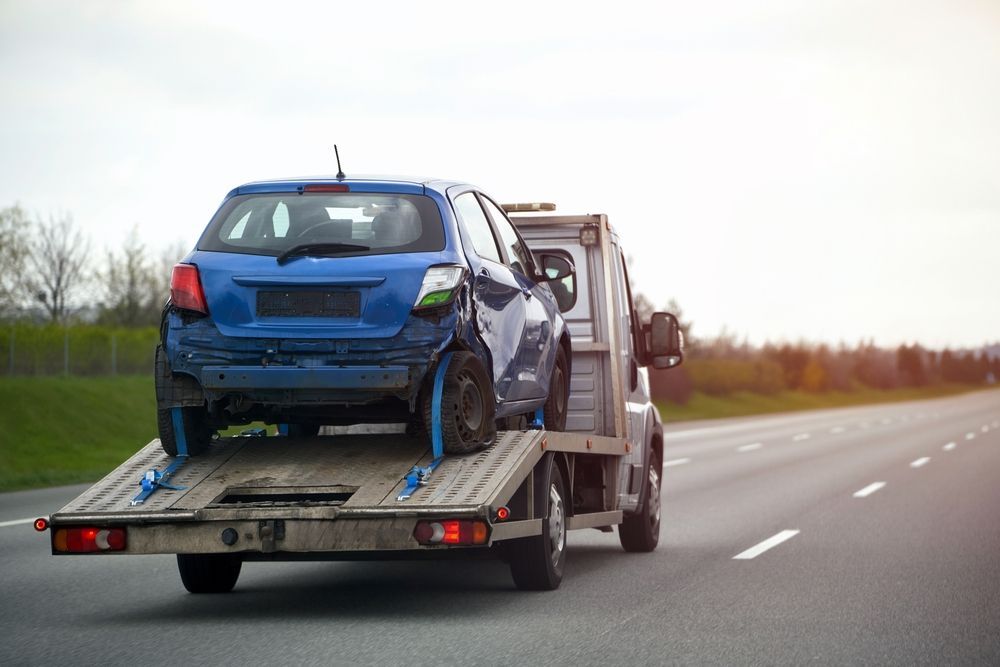
When a roadside call-out leaves a vehicle still needing to be moved — because the tow dropped it at the nearest available mechanic rather than the destination the driver needs — the next call is to an independent towing service.
Having the number of a local tow truck operator saved before you travel is useful preparation. An independent towing service can transport a vehicle wherever it needs to go, handle accident recovery, tow from private property and manage vehicle and trailer combinations that fall outside a standard roadside plan.
Towing vs Roadside Assist: Different Services for Different Situations
Roadside assistance is primarily designed to get a vehicle moving at the roadside, with towing as a backup. A towing service is specifically about moving a vehicle from one location to another, with the equipment and experience to do that safely across varying distances and conditions.
The two are complementary. Most drivers benefit from a roadside membership for the minor on-road issues it handles well. What an independent towing service adds is the capacity to handle the situations that fall outside the membership's coverage — particularly in a regional context where those gaps are more likely to arise.
Professional Towing in Dubbo When Roadside Cover Isn’t Enough
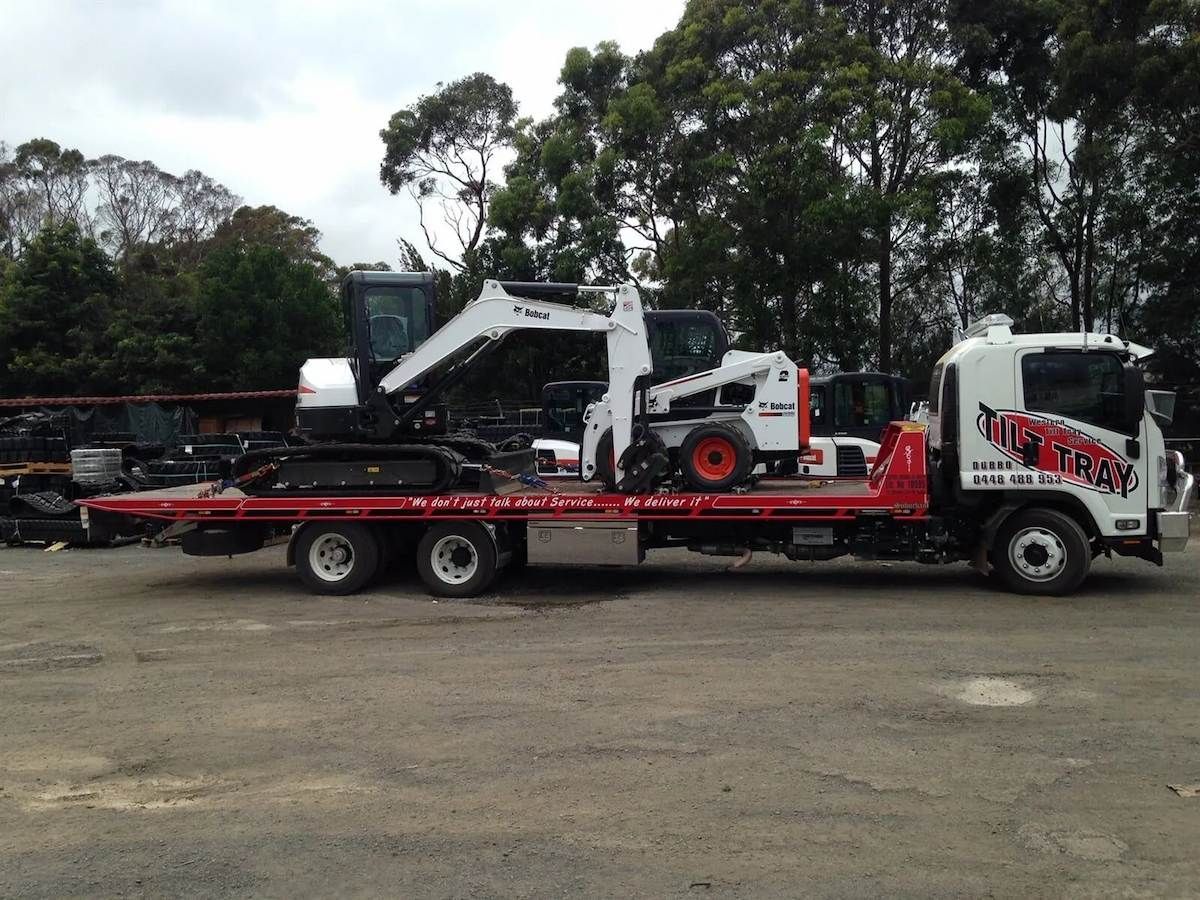
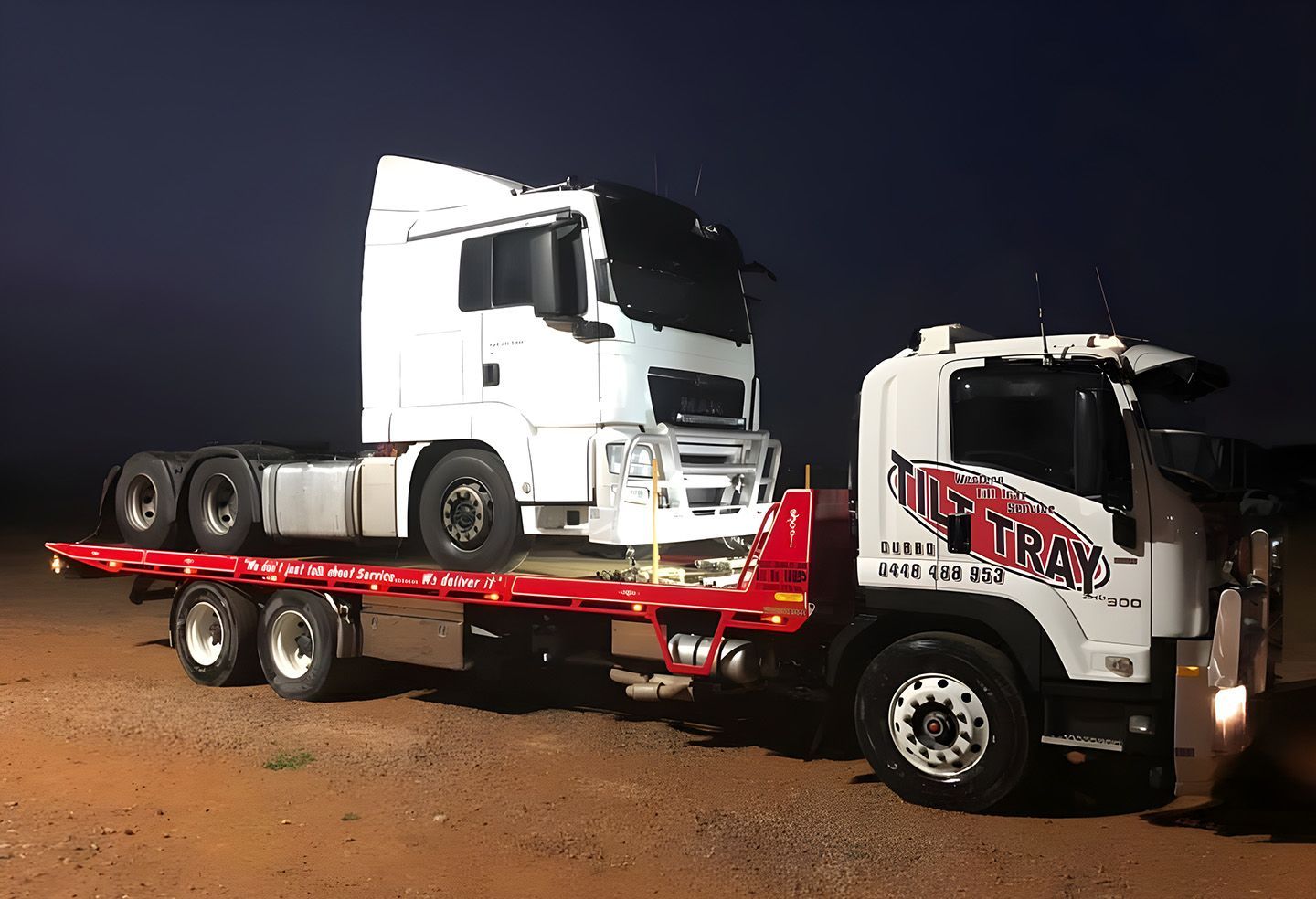
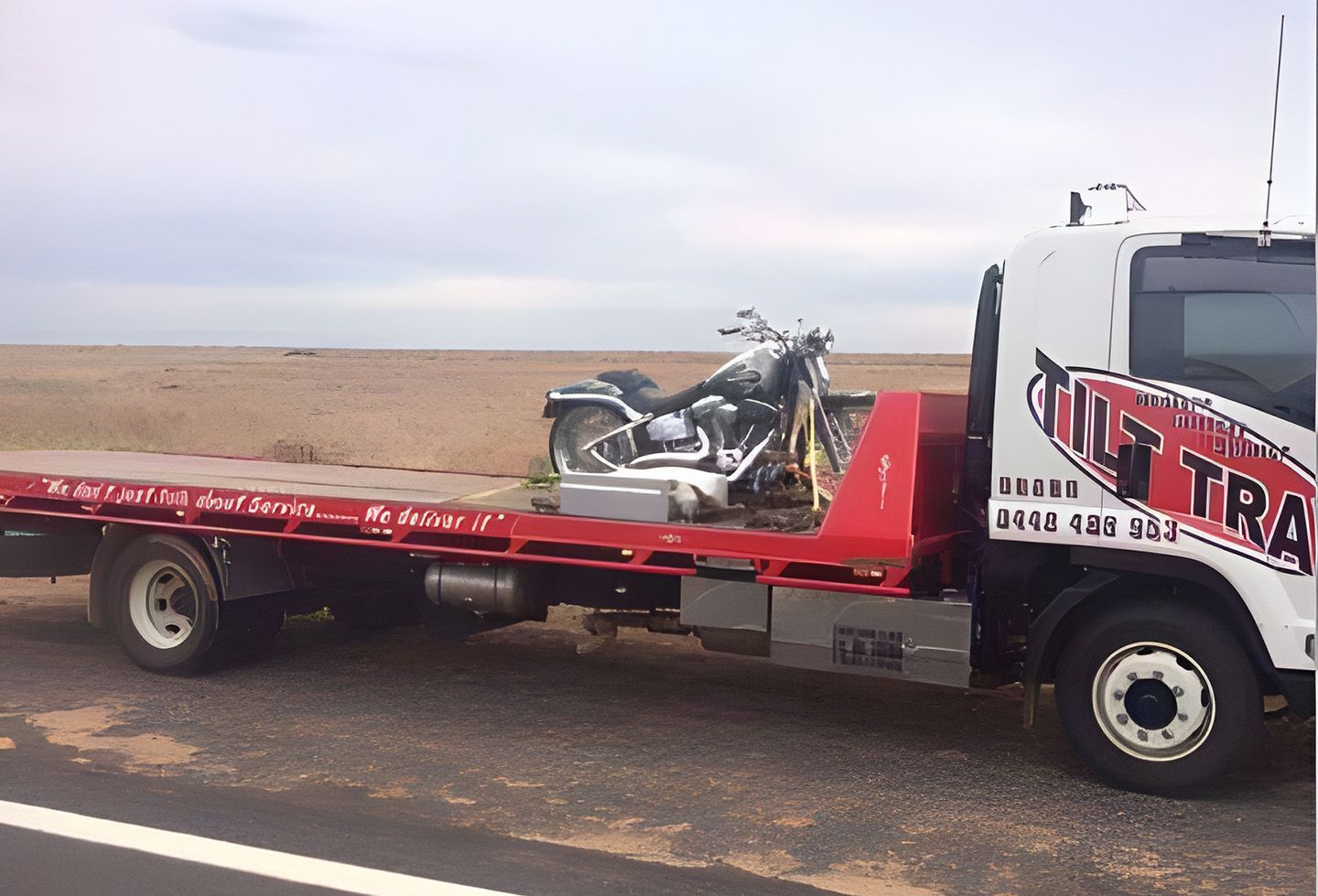
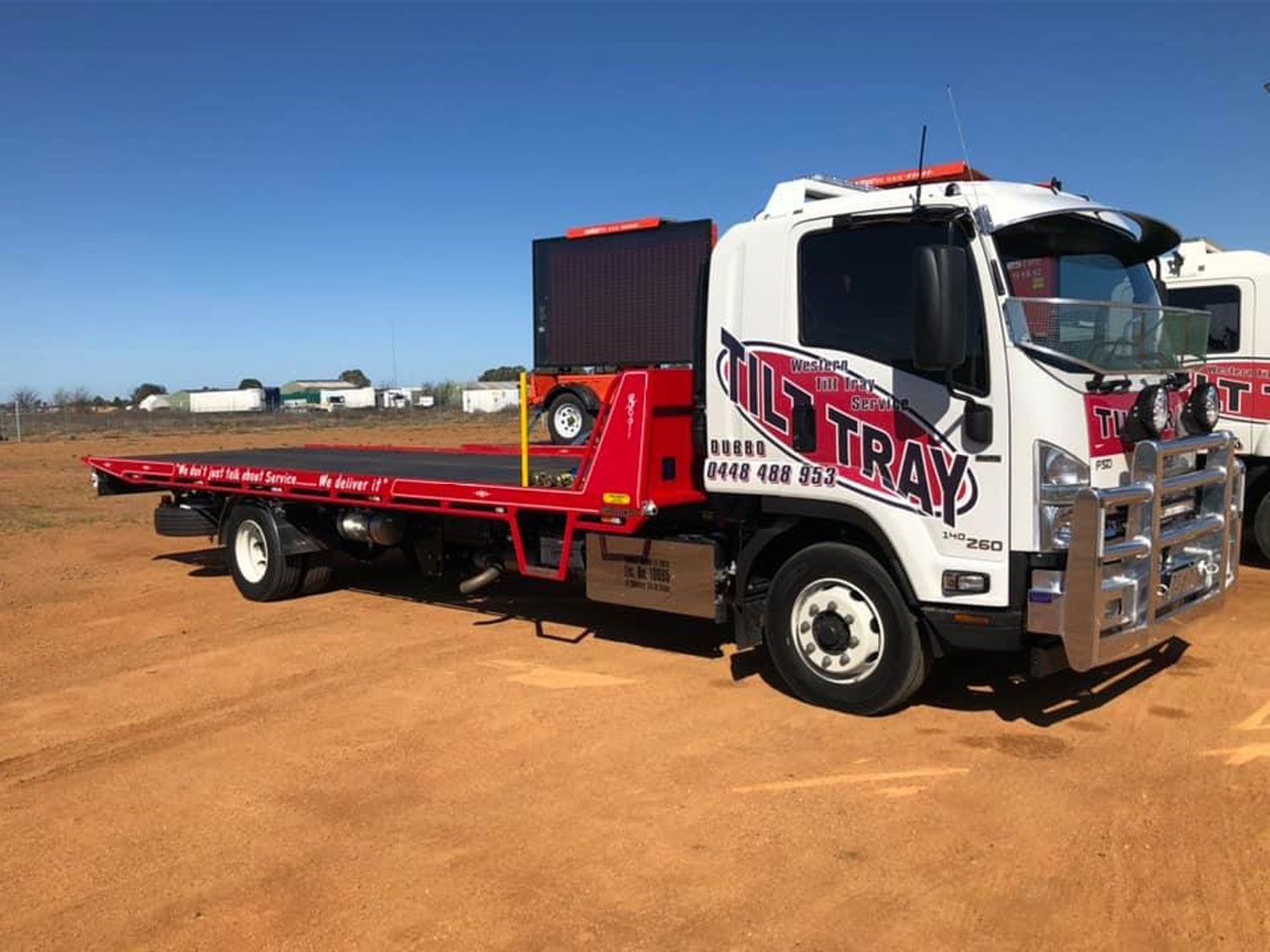
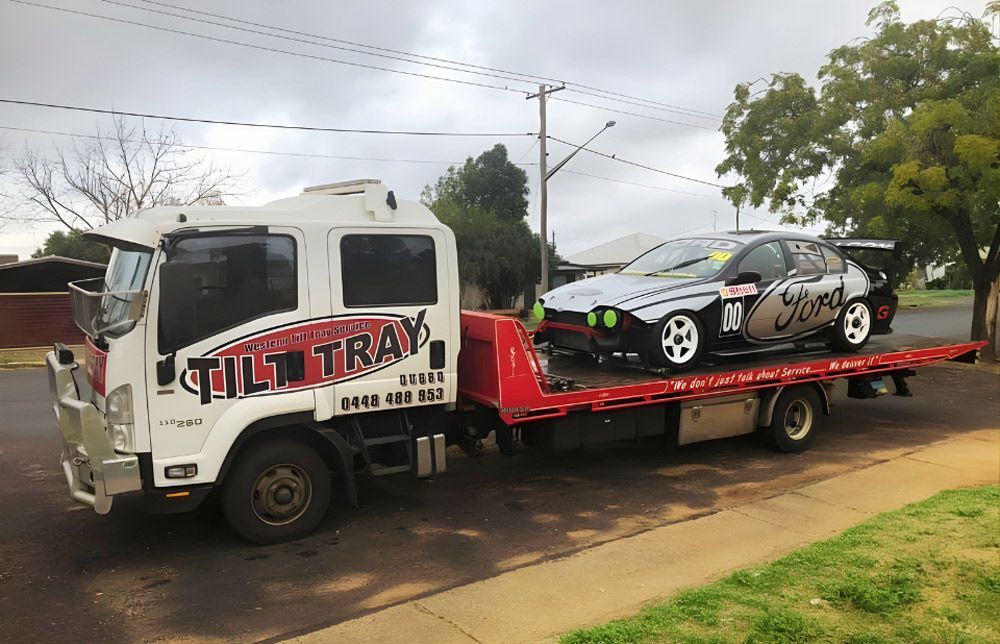
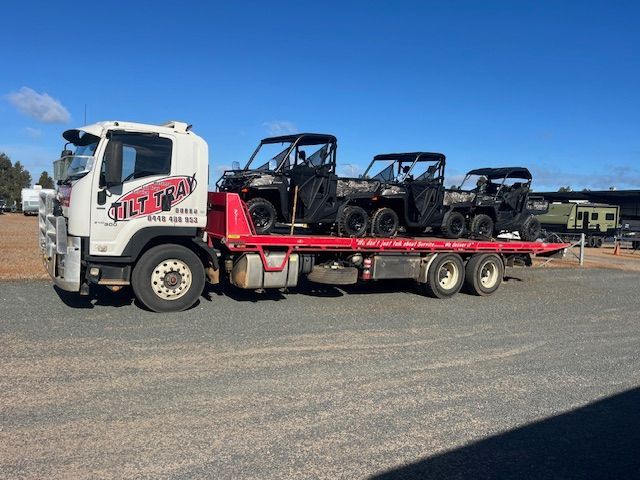
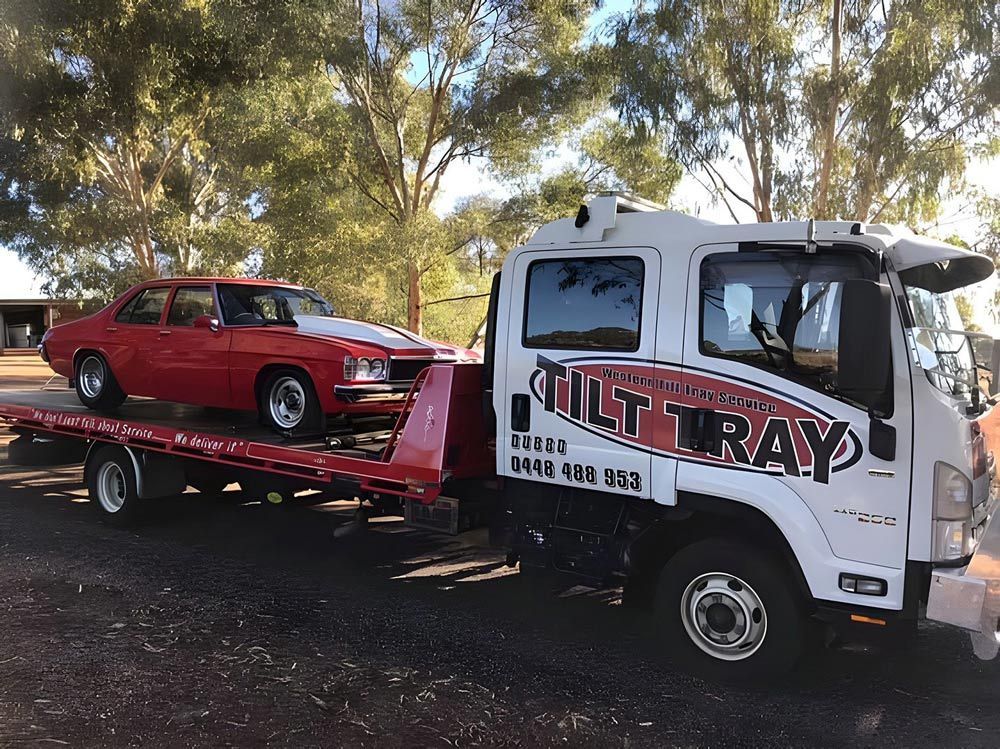
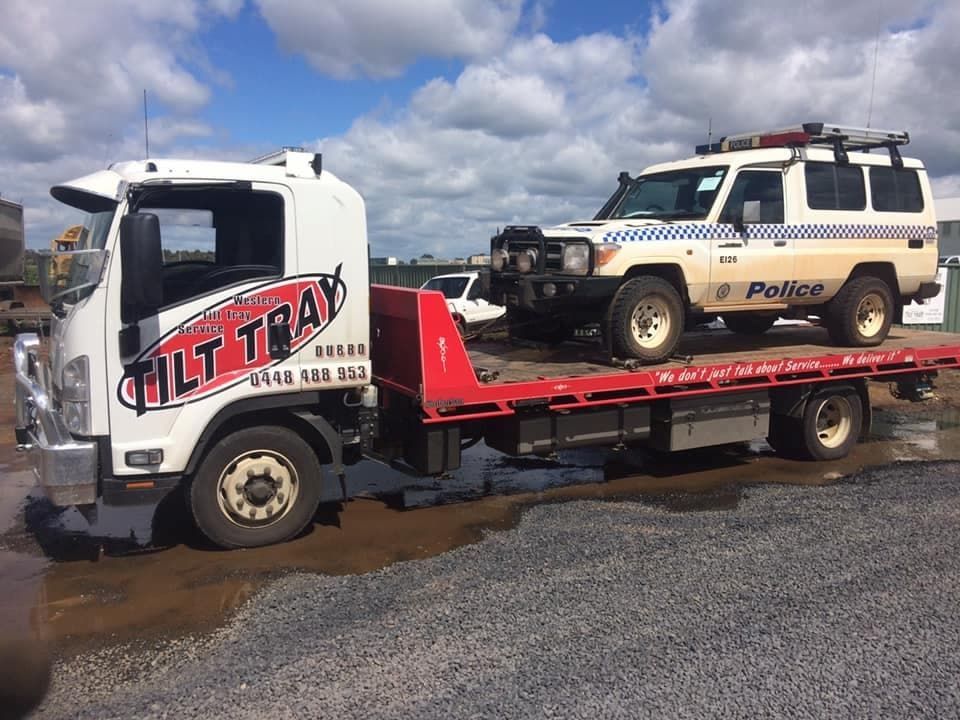
When your roadside policy falls short, having a reliable option for towing in Dubbo means you’re never left waiting on the side of the road. Western Tilt Tray Service operates across Dubbo and the wider Orana region with tilt tray trucks suited to passenger vehicles, utilities, 4WDs and light commercial vehicles.
For situations outside your roadside cover, we provide breakdown towing in Dubbo and across the Orana region. If you’re unsure whether your roadside assistance covers towing for your specific situation, getting in touch directly means you have a clear answer before you need one.