How To Transport Farm Machinery Safely In NSW
Getting
machinery transport in Dubbo right starts long before a truck ever reaches the gate. Moving a tractor, forklift or header between properties involves load securing rules, oversized vehicle regulations and equipment that most farm utes and trailers simply aren't built for. For farmers and agricultural businesses across the Orana region, the safest and most reliable path is a specialist tilt tray service rather than a DIY tow.
Why Farm Machinery Needs More Than a Standard Trailer
Farm machinery isn't uniform and that's exactly the problem. A compact tractor, a bobcat and a header all carry weight differently, sit at different heights, and need different tie down points. A standard box trailer or gooseneck rated for general freight is often the wrong tool for the job, particularly once you're dealing with machinery over 4.5 tonnes or wider than a standard lane.
Orana region farms regularly need to move equipment for seasonal reasons — shifting a tractor to a leased block for planting, sending a header interstate for harvest contract work, or getting a forklift to a workshop in Dubbo for repairs. Each of these moves carries the same underlying risk: an improperly loaded or secured machine can shift, tip or come loose at highway speed. Agricultural equipment transport in Dubbo done properly accounts for the machine's centre of gravity, its width against road rules, and the specific tie down rating needed to keep it stationary over 100km of open highway.
What Preparation Is Involved Before Machinery Is Moved
Before any tractor transport in Dubbo or surrounding districts, the machine itself needs to be made transport ready. This isn't a job for the morning of pickup — a rushed preparation is where most avoidable damage and delays happen.
A specialist transport operator will typically walk through:
1. Fluid and fuel checks — confirming fuel levels are safe for transport and that hydraulic or coolant systems aren't at risk of leaking during the drive.
2. Attachment removal — loaders, buckets, forks and other attachments are usually removed or secured separately to reduce overall height and shifting weight.
3. Folding and locking moving parts — booms, augers and folding headers need to be locked in their transport position, not just left resting.
4. Tyre and undercarriage inspection — checking tyre pressure and track condition before the machine goes up a ramp onto a tilt tray.
5. Documenting existing damage — photographing the machine beforehand protects both the farmer and the transport company if any dispute arises later.
An example: a Dubbo area grain grower needing to move a header to a contractor 60km away found that the folding auger hadn't been fully locked before a previous move, which caused vibration damage over the trip. A pre-transport checklist like the one above is designed to catch exactly that kind of oversight before the machine leaves the paddock.
What Are the NSW Load Securing Requirements for Farm Machinery?
NSW load restraint requirements follow the National Heavy Vehicle Regulator's Load Restraint Guide, which sets minimum standards for how much restraint force is needed relative to a load's weight, direction of travel and braking forces. For heavy or irregularly shaped agricultural equipment, this generally means multiple rated chains or straps, each matched to a working load limit appropriate for the machine's mass — not just enough straps to look secure.
Machinery transport in NSW also falls under chain of responsibility laws, meaning the party loading and securing the equipment shares legal responsibility for how it travels, not just the driver. This is one of the clearest reasons DIY transport carries real risk: an improperly restrained load can result in fines, insurance complications and liability if it causes an incident on the road. A specialist operator carries the rated equipment, current accreditation and working knowledge of these restraint calculations as a matter of course.
For a detailed look at the loading process itself, read our article on key considerations for safe loading and transport on a tilt tray.
Do You Need a Permit to Transport Oversized Farm Machinery in NSW?
Many pieces of farm machinery exceed standard dimension limits for general access roads. When a load is over mass or over dimension, NSW requires either a Notice or Permit under the National Heavy Vehicle Regulator's framework and in some cases, pilot vehicles, depending on width and route.
Working out whether a specific move needs a permit involves checking the machine's actual transport dimensions against current NSW limits, which change depending on the road classification being used. This is a genuine grey area for property owners transporting equipment occasionally and it's a core part of what a professional operator manages as routine business including route planning around bridges, low clearances and any local restrictions around Dubbo and the wider Orana region.
Why Rural Roads Around Dubbo Add Extra Risk
The Orana region's road network includes long stretches of unsealed and single lane rural roads connecting properties to the highway. These roads present real challenges for heavy equipment transport in the Orana region: uneven surfaces, seasonal flooding, soft shoulders after rain and limited overtaking room around slow moving loads.
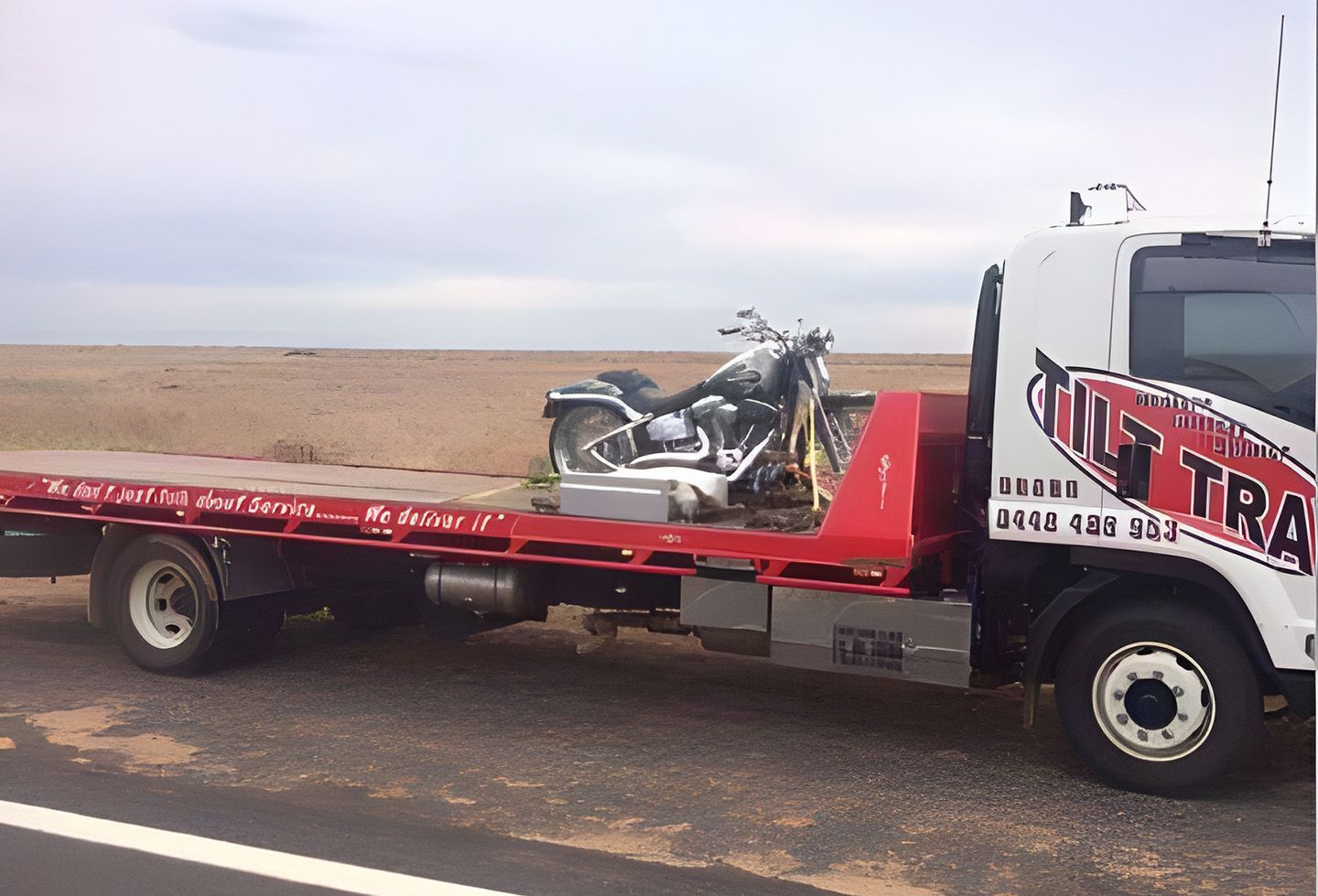
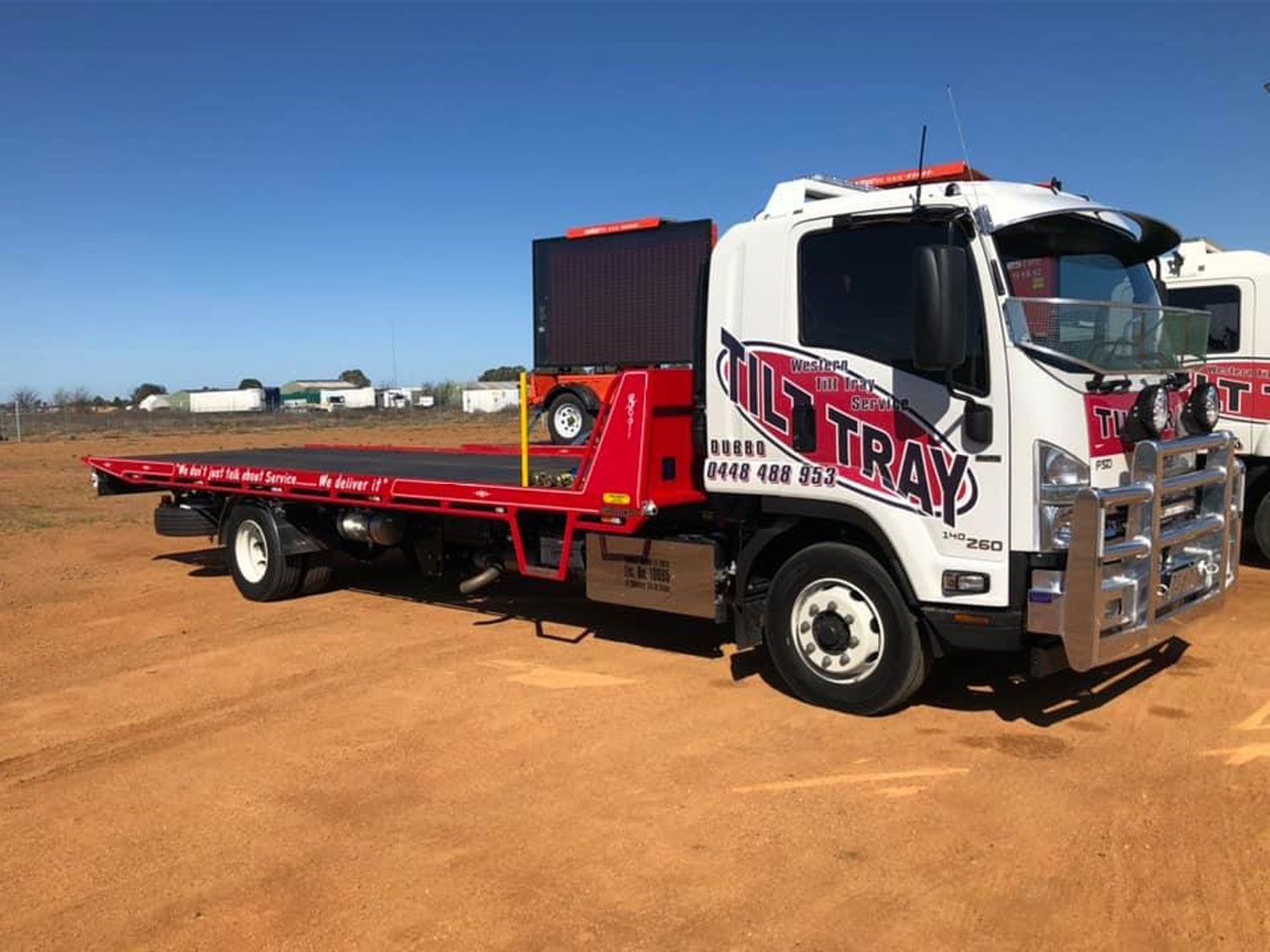
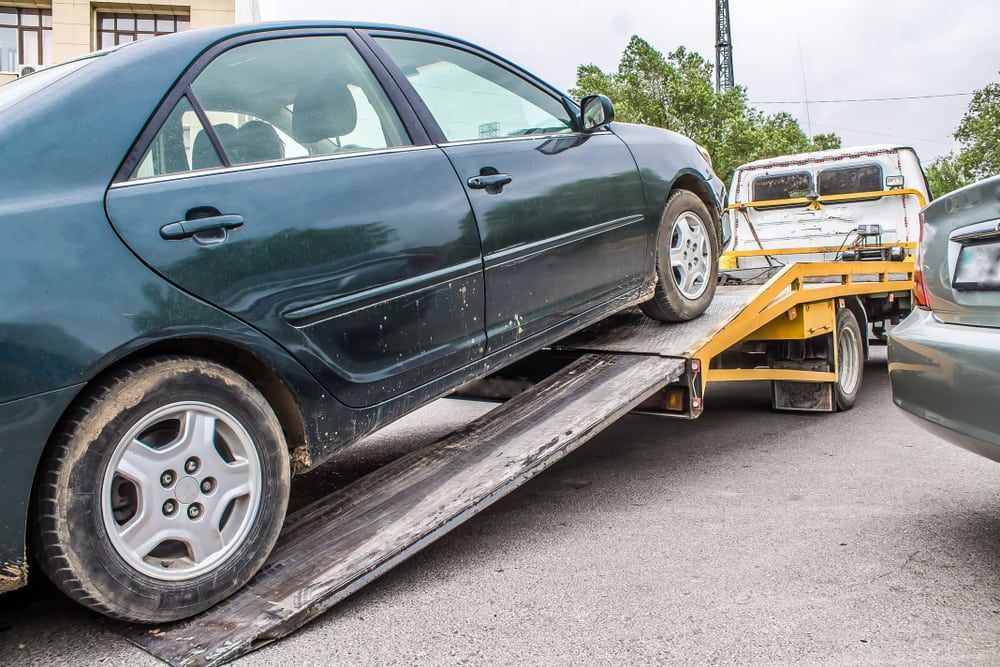
A tilt tray's low deck angle and hydraulic winching system are built specifically for this kind of terrain, allowing machinery to be loaded and unloaded on uneven ground without needing a purpose built ramp or a flat, hard standing area. This matters more in the Orana region than in metro areas, where most farm gates, paddock tracks and shed yards were never designed with vehicle loading in mind.
Why a Specialist Tilt Tray Service Is the Right Choice
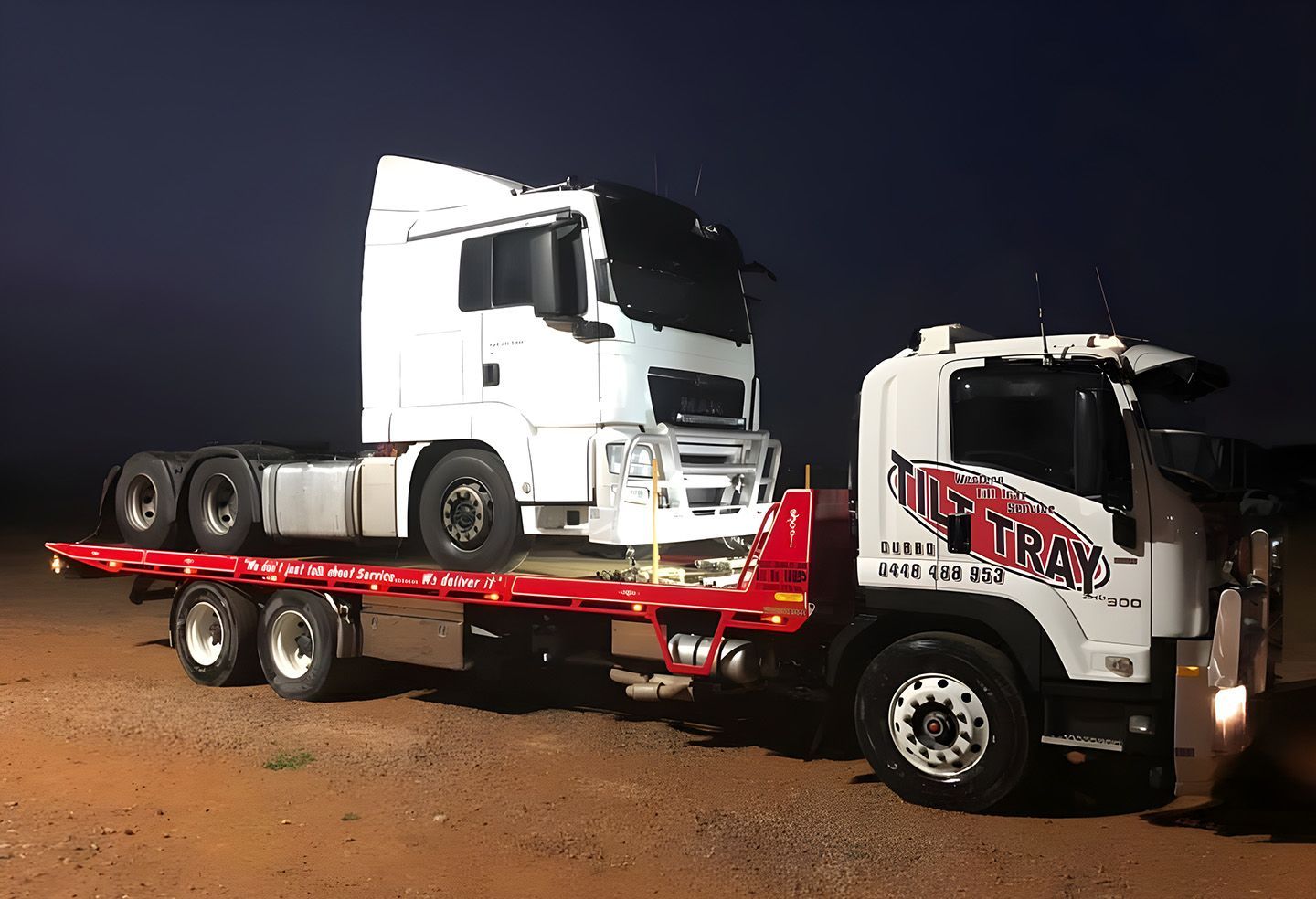
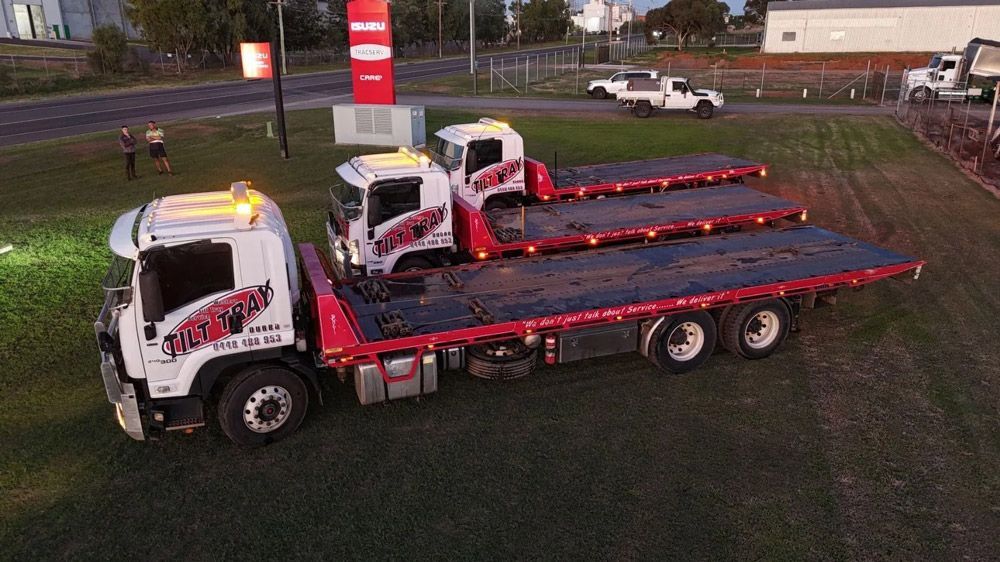
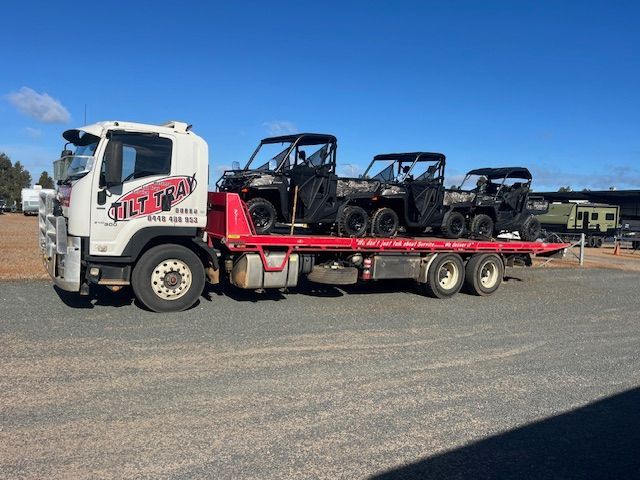
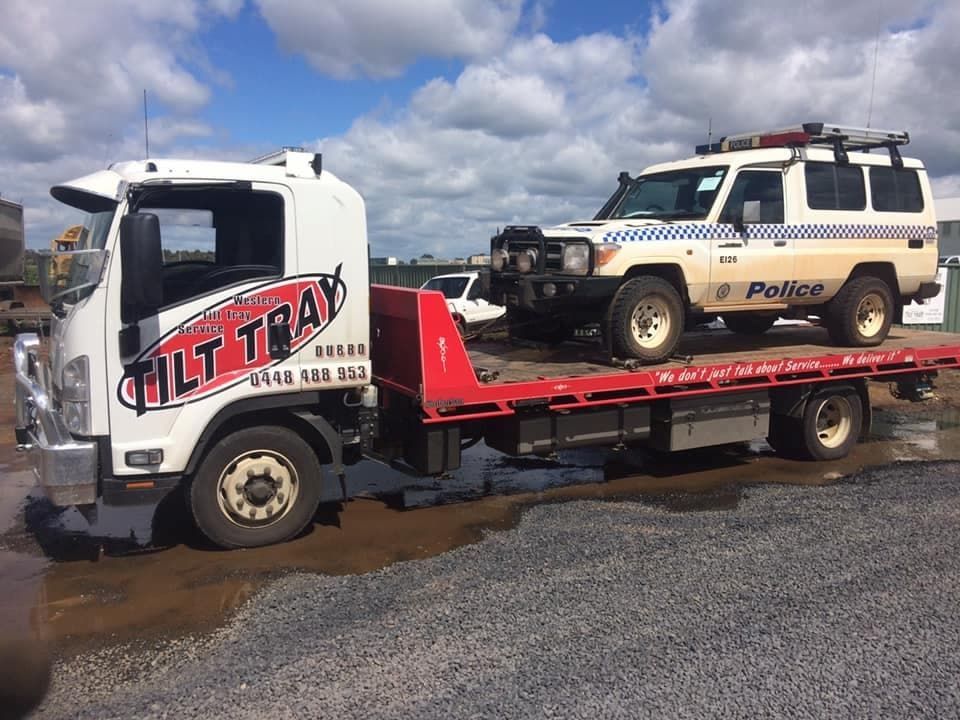
Western Tilt Tray Service specialises in machinery transport in Dubbo, with equipment suited to tractors, forklifts and construction gear. Rather than relying on general freight solutions, a tilt tray allows machinery to be driven or winched directly onto a low, flat deck, reducing strain on hydraulics and undercarriage components compared with ramping onto a higher gooseneck trailer.
For farmers, this translates into fewer loading delays, reduced risk of damage during transit, and equipment that's appropriately restrained under current NSW regulations from the moment it leaves the property. A
tilt tray in Dubbo is the most practical and damage-free way to move large agricultural equipment between properties, particularly when a move involves multiple machines or a tight seasonal window.
Getting Machinery Where It Needs to Be, Safely
Machinery transport Dubbo farmers can rely on comes down to preparation, correct restraint, regulatory compliance and equipment matched to the job — not a trailer borrowed for the day. Whether it's a seasonal move between leased blocks, a header heading off for repairs, or new equipment arriving on a property for the first time, professional transport removes the guesswork and the risk from a job that carries real consequences if it's done wrong.
Frequently Asked Questions