Key Considerations for Safe Loading and Transport on a Tilt Tray
Organising the transport of vehicles, machinery, or equipment can seem straightforward until the loading process begins. Tilt tray transport involves more than simply placing an item onto a tray and driving away. Each job presents its own set of variables, from access conditions to load stability and road safety. Without careful planning, even minor oversights can lead to damage, delays, or safety risks.
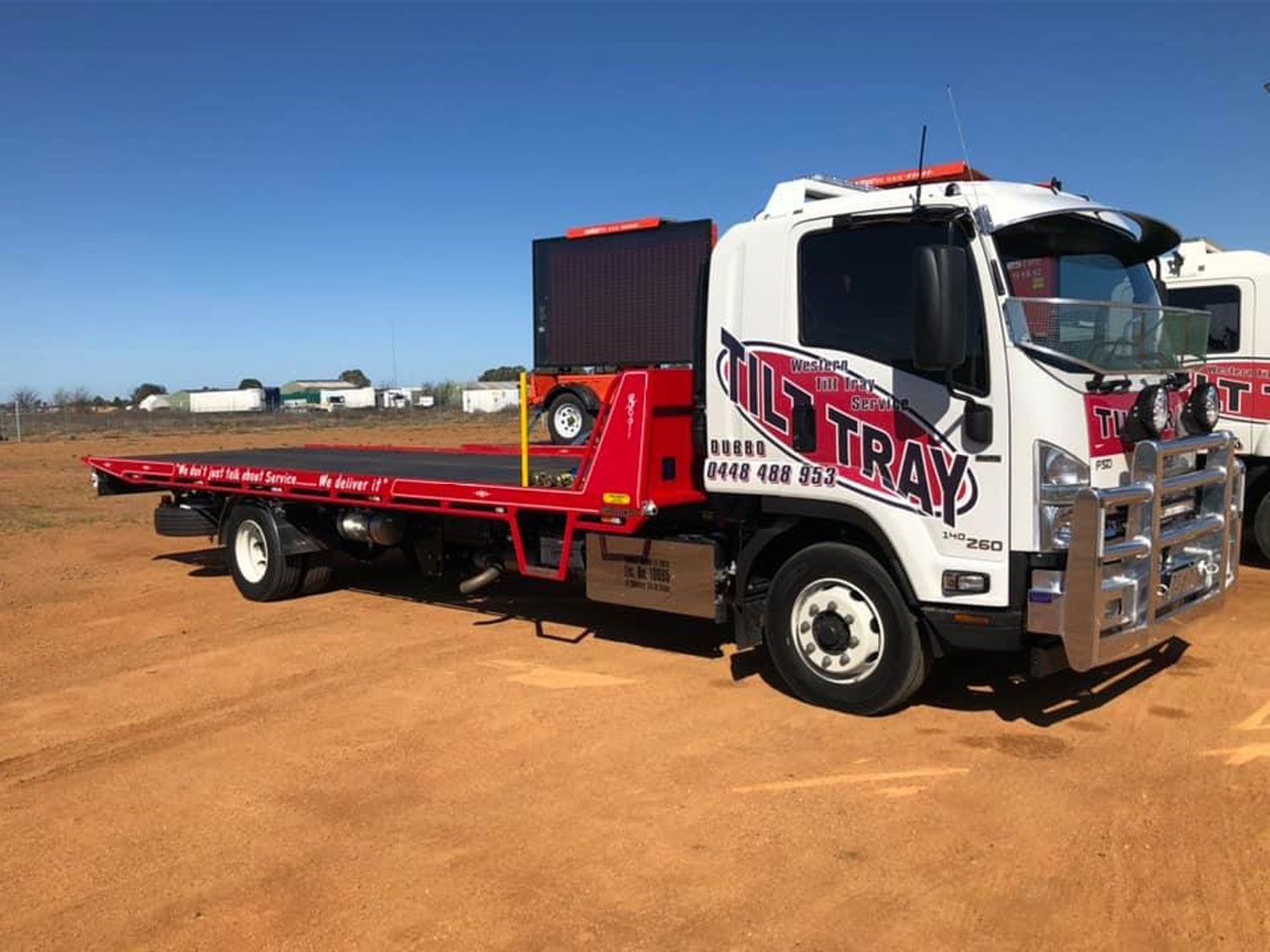
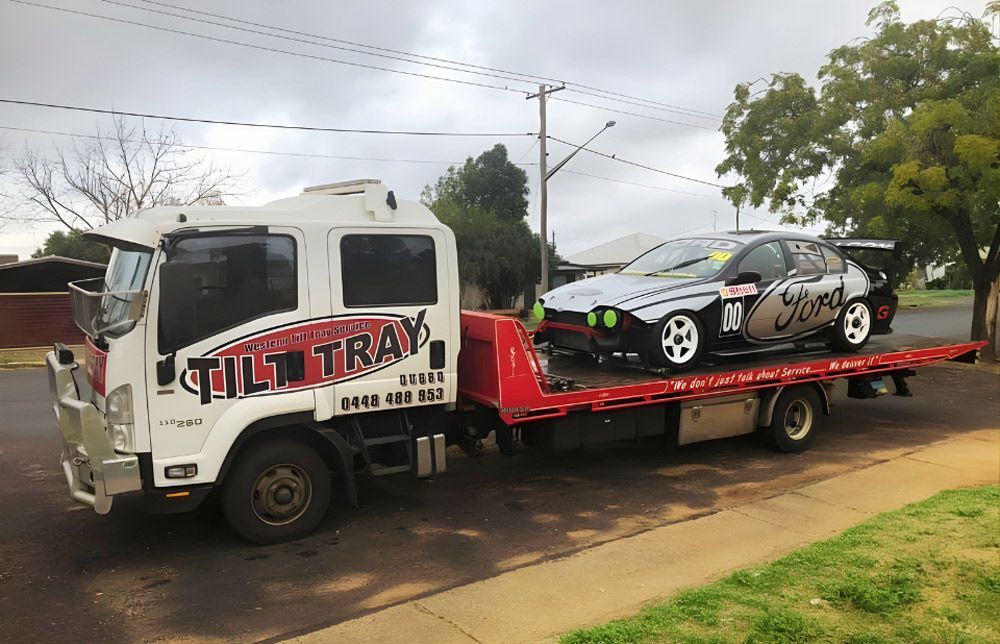
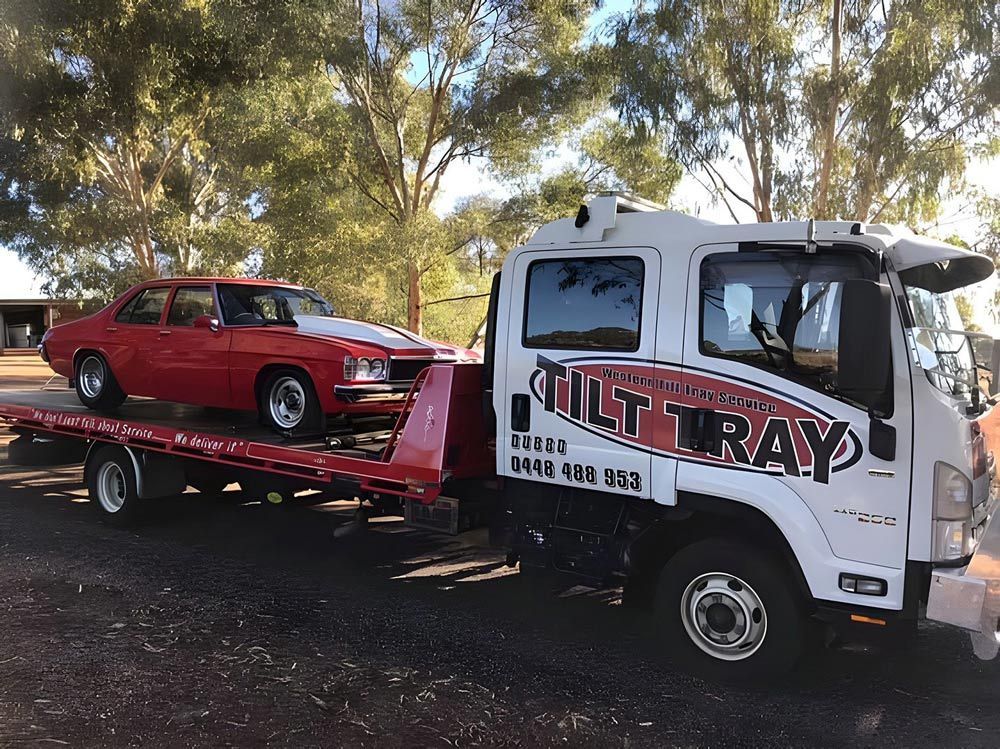
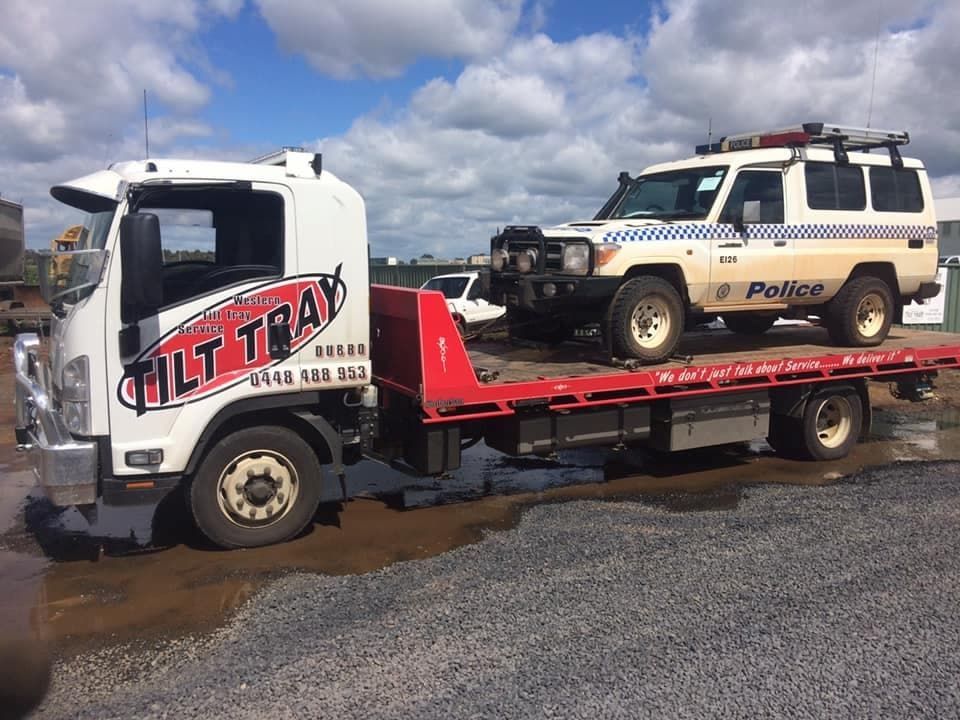
For individuals and businesses arranging tilt tray in Dubbo, understanding the operational factors behind safe loading and transit helps ensure the process runs smoothly from start to finish. By considering weight limits, preparation requirements, and securing methods early, property owners and operators can reduce uncertainty and avoid common transport issues. When each step is handled carefully, tilt tray services provide a reliable and controlled solution for moving a wide range of loads.
Safe Transport Begins With Understanding What a Tilt Tray Can Carry
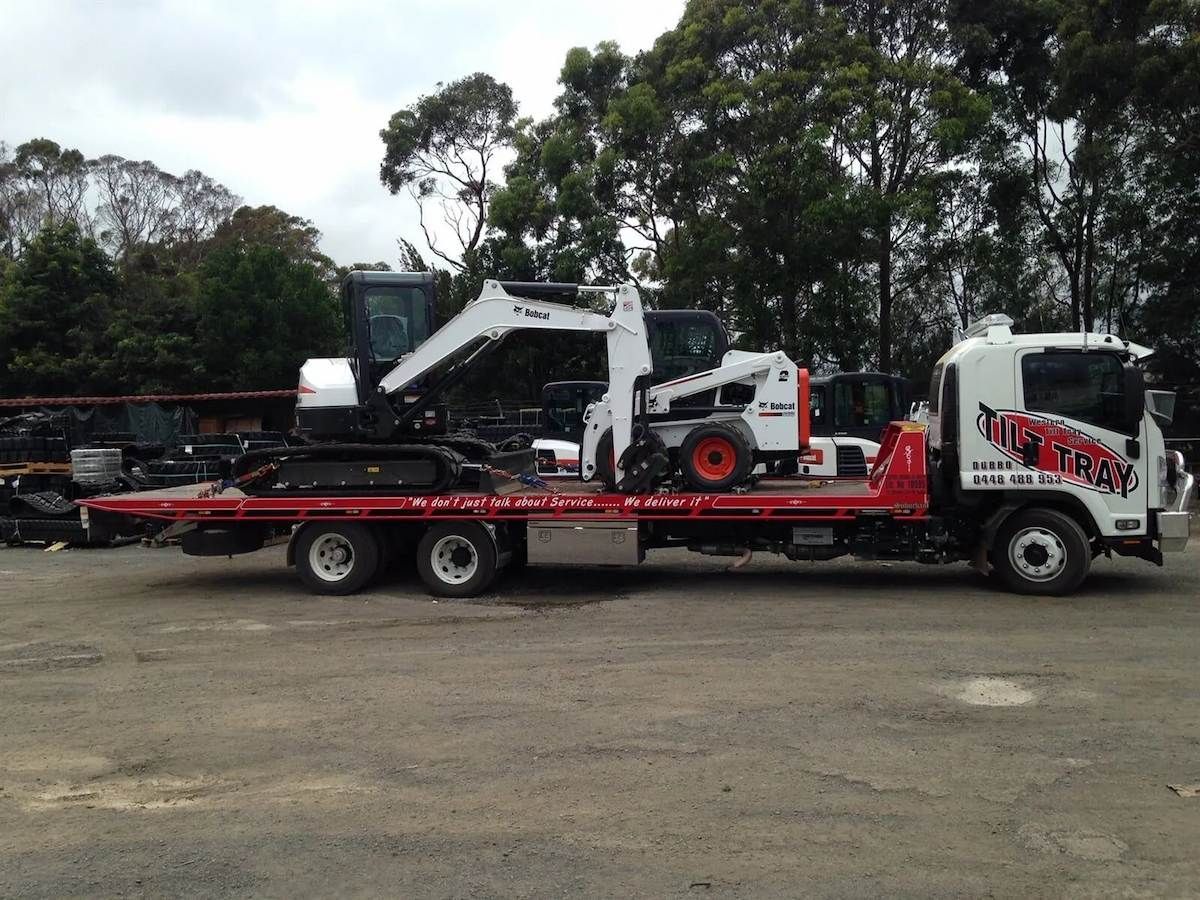
We know that safe tilt tray transport starts with understanding the nature of the load being moved. Different vehicles and equipment place different demands on the tray, winch, and securing systems. Before loading begins, professional tilt tray services assess whether the item is suitable for transport and how it should be positioned.
Factors considered at this stage include size, weight, shape, and condition. This initial assessment helps prevent overloading and ensures the transport method matches the job requirements.
Key considerations include:
- The total weight of the vehicle or equipment
- Overall dimensions and ground clearance
- Whether the load can roll, steer, or requires winching
By confirming suitability early, tilt tray services reduce the risk of strain on equipment and improve overall safety.
Why Accurate Weight Distribution Matters During Loading
We pay close attention to weight distribution during loading because balance directly affects safety. When a load is positioned incorrectly, it can place uneven stress on the tray or towing vehicle, increasing the risk of instability. The centre of gravity must be carefully managed so the load remains secure both during loading and while in transit.
Even small miscalculations can lead to shifting, excessive sway, or difficulty braking. Correct placement ensures the tray lowers and raises smoothly and that the vehicle maintains predictable handling characteristics once on the road. Balanced loading is a fundamental step that supports controlled transport and reduces unnecessary risk throughout the journey.
Preparing the Vehicle or Equipment Before It Goes on the Tray
We often find that simple preparation steps make a significant difference to how smoothly loading proceeds. Preparing the vehicle or equipment before the tilt tray arrives helps avoid delays and reduces the risk of complications during loading.
Practical preparation steps include:
- Ensuring the vehicle is accessible and free from obstructions
- Securing loose components or attachments
- Checking tyre condition and steering alignment where applicable
Clear communication about the condition of the load allows tilt tray operators to plan the safest loading method. When preparation is handled properly, the loading process is faster, safer, and more controlled.
Loading Angle and Ground Conditions Can Change Everything
We recognise that loading conditions are rarely identical from one site to the next. The angle of the tilt tray, combined with the surface it rests on, plays a major role in safety. Uneven ground, soft surfaces, or steep gradients can increase the risk of slippage or instability during loading.
Careful positioning of the truck and adjustment of the tray angle helps maintain control as the load moves onto the tray. Operators also consider weather conditions that may affect traction or visibility. By adapting the loading approach to the site conditions, tilt tray services reduce the likelihood of unexpected movement or damage.
Securing Loads Correctly Prevents Movement and Damage in Transit
We treat load restraint as one of the most critical stages of tilt tray transport. Even a well-positioned load can become hazardous if it is not secured properly. Professional securing methods are designed to prevent movement in all directions during transport.
Common securing considerations include:
- Using rated chains, straps, or restraints suited to the load
- Applying restraint points evenly to maintain balance
- Rechecking tension once the load is fully positioned
Correct securing protects both the load and surrounding traffic, ensuring the journey remains controlled and predictable from start to finish.
Clearance, Access, and Surroundings Must Be Considered Early
We encourage planning around access and clearance well before loading begins. Tight spaces, low obstacles, and surrounding structures can all affect how a tilt tray is positioned and operated. Without adequate space, even routine loading can become complex.
Assessing site access allows operators to determine the safest approach, including entry and exit paths. Consideration is also given to nearby vehicles, buildings, and overhead hazards. Early assessment helps avoid last-minute adjustments and supports a safer, more efficient loading process.
Transport Conditions Require Ongoing Attention, Not Just Good Loading
We understand that safety does not end once the load is secured and the truck begins moving. During transport, conditions such as road surfaces, traffic flow, and weather can change. Tilt tray drivers remain attentive throughout the journey, monitoring load stability and vehicle handling.
Key in-transit considerations include:
- Adjusting driving style to suit load weight and size
- Remaining alert to changes in road conditions
- Performing visual checks where safe and appropriate
This ongoing attention helps ensure the load remains secure and arrives in the same condition it was loaded.
Professional Tilt Tray Services Reduce Risk Through Experience and Planning
We see professional tilt tray in Dubbo services as a combination of technical skill and careful planning. Trained operators understand how to adapt to different loads, environments, and challenges while maintaining safety standards. Experience allows potential risks to be identified early and addressed before they escalate.
From initial assessment through to final delivery, each step is guided by established procedures and practical knowledge. This structured approach supports consistent handling across varied transport scenarios and reduces the likelihood of unexpected issues. For those organising transport, professional tilt tray services provide reassurance that safety, load care, and compliance are considered throughout the entire process.
We at Western Tilt Tray Service understand the specific transport challenges faced in Dubbo, from varied site access conditions to the need for careful handling of vehicles and equipment. Our approach focuses on safe loading, secure transport, and thorough planning to help reduce risk at every stage. If you’re organising tilt tray transport in Dubbo and want reliable support tailored to local conditions, we encourage you to get in touch or book a service today. Visit https://www.westerntilttrayservice.com.au/ to learn more or arrange assistance.